Reviewed · BOSTON TOURS
Boston: Mapparium® globe + How Do You See the World?™
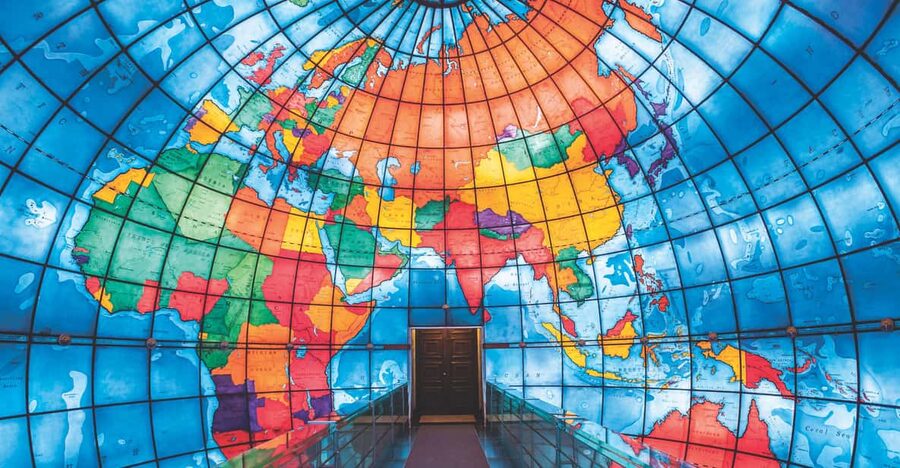
The Mapparium turns a familiar world map into a room you can walk through. This three-story stained-glass globe is fixed in 1935, so its borders offer a striking snapshot of the world before World War II. Inside, narration gives the space a historical voice, not just a view from the outside.
I like two things in particular: the chance to stand inside a map rather than study one flat on a wall, and the way the visit leads into exhibits about progress, journalism, and Mary Baker Eddy. At $6 per person, the timed globe entry is a modestly priced stop, with more to see in the building at no extra cost.
One consideration: the Mapparium visit itself is about 20 minutes, so it is a short attraction, not a half-day outing. The additional exhibits are free, but you will need to allow more time if you want to explore them rather than make a quick pass.
- The globe is a walk-through map from 1935, complete with the borders and place names of that period.
- Narration comes from inside the Mapparium, making the globe itself part of the presentation.
- The timed ticket covers the Mapparium, while the other exhibits do not require timed entry.
- The wider experience links world progress to journalism, including stories from The Christian Science Monitor.
- Mary Baker Eddy’s work is part of the visit, with exhibits on her life, ideas, and connection to the church and newspaper.
- The experience is wheelchair accessible, and food and drinks are not allowed inside.
Inside the 1935 Mapparium
The main event is a three-story globe made from stained glass. You enter it and stand within a map of the world as it was in 1935, before the border changes and political upheavals of the years that followed. That date is the point: the Mapparium is not an updated map or a neutral modern view, but a preserved picture of a particular moment.
Seeing a map from the inside changes its scale. Instead of looking down at continents on a page, you are surrounded by them. The globe’s height and color make the geography feel immediate, while its old borders prompt you to notice how much the political map has changed since it was made.
Narration is part of the visit, delivered from within the globe. It gives the space more purpose than a quick photo stop, though the short format means you should not expect a long guided tour. The experience is timed and lasts about 20 minutes, which makes it easy to fit into a day of sightseeing without having to reserve a large block of time.
The 1935 date also gives the visit a useful historical frame. You can look at the world before World War II and think about the events and changes that came afterward. The globe does not need a complicated explanation to make its central point: maps record a moment, and that moment does not last.
If you are drawn to geography, maps, or unusual architecture, this is likely to be the part you remember most. One local visitor who had lived in Boston for 15 years said the attraction had been unknown to them. That is a good reminder that the Mapparium can reward even people who already know the city well.
From the globe to stories of progress
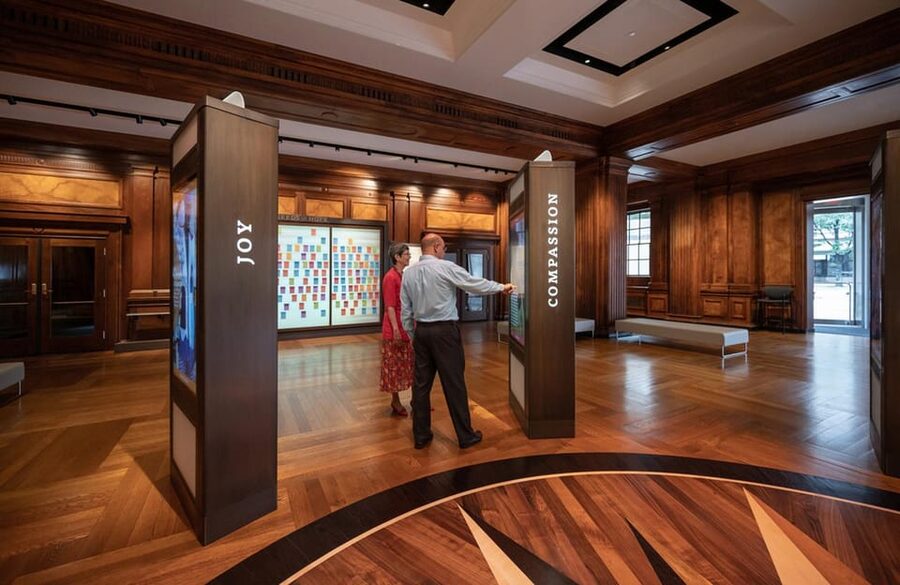
Once you leave the Mapparium, the visit continues with Our World: Mapping Progress. This exhibit looks at human advances since 1935 and connects the historical view inside the globe with the world that followed. Its stated aim is not only to show change, but to offer a hopeful way of thinking about the future.
That shift in tone is useful. The globe fixes you in one year; the exhibit outside it moves forward through time. It helps turn the Mapparium from a striking object into the start of a larger question: how has humanity changed since this map was made, and what progress still matters?
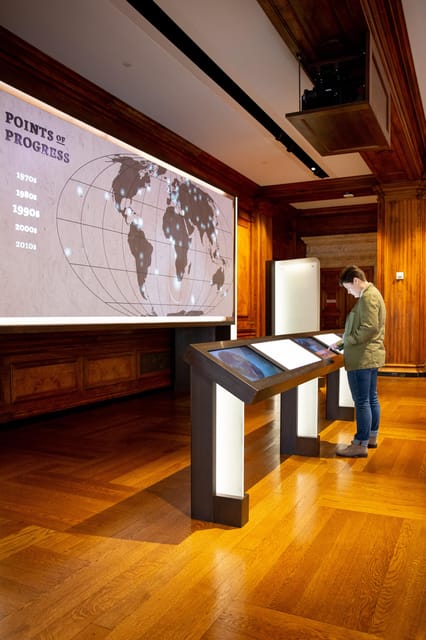
You will also find Points of Progress, a presentation of significant developments after the war. Its subjects include human rights, scientific breakthroughs, exploration, and other areas of human achievement. The range makes this section a broad overview rather than a detailed study of any one topic.
Together, the two exhibits give the visit a clear shape: first, a preserved map; then, a look at developments since that map’s date. If you are visiting with children or someone who prefers stories and big ideas to a conventional museum display, this connection may help keep the experience engaging. The material is presented through multimedia exhibits, though the specific format and length of each display are not detailed.
More tours and days out around Boston:
- Boston Duck Boat Sightseeing City Tour with Cruise Along Charles River
★ 4.5 · 9,378 reviews - Boston: Freedom Trail History Small Group Walking Tour
★ 5.0 · 6,450 reviews - Boston Hop-On Hop-Off Trolley Tour with 13 Stops
★ 4.5 · 5,576 reviews
The Monitor’s human stories
Another part of the experience focuses on The Christian Science Monitor, the newspaper founded by Mary Baker Eddy in 1908. It has received Pulitzer Prizes and is described through a mission of reporting intended to do no harm and benefit humanity. The exhibits connect that purpose to stories of people shaping their communities around the world.
Eight sets of interactive stories draw on the Monitor’s reporting. This gives you a more personal route into themes that can otherwise feel abstract. Instead of stopping at broad measures of progress, the presentation brings attention to individuals and communities working through change.
The newspaper’s daily and weekly editions cover stories from around the world, and the exhibits offer a chance to consider how journalism can record resilience as well as conflict. You do not need to be familiar with the paper before visiting. Its role here is part of a wider account of how people understand the world and report on it.
I would not expect this section to function as a full newspaper museum. Its focus is on stories, ideas, and examples of progress, with interactive elements to explore. If you have limited time, start with the Mapparium and then choose the Monitor material that catches your interest. If you have more time, it adds a human scale to the larger historical themes.
Mary Baker Eddy and the Christian Science exhibits
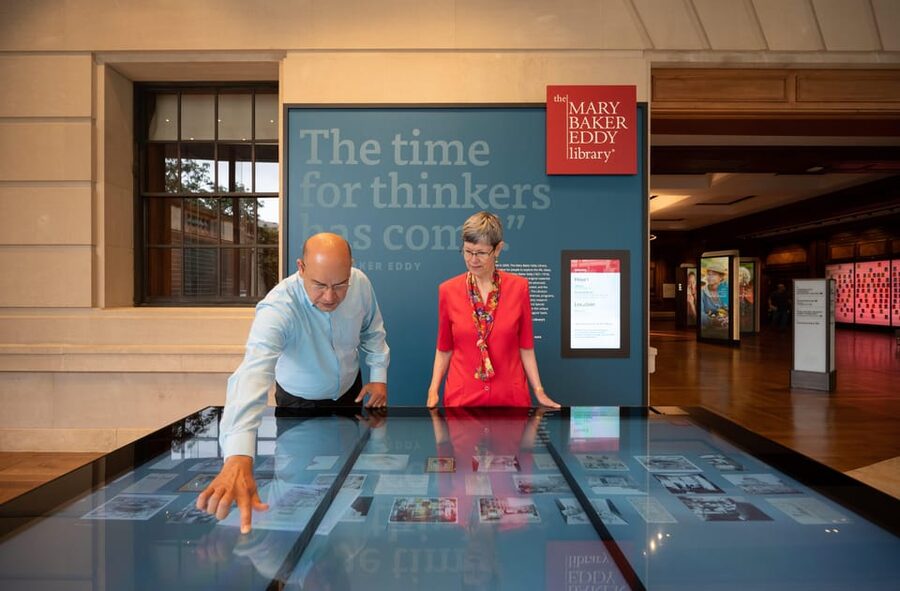
The visit also includes exhibits about Mary Baker Eddy, founder of the Christian Science church and the Monitor. Christian Science and Mary Baker Eddy introduces her life and ideas, while The Mary Baker Eddy Library and Exhibit offers another way to learn about her work and her lifelong interest in the Bible.
These displays add context to the building and the institutions connected with it. If you are curious about the history of the church, the newspaper, or Eddy’s influence, they give you a place to explore those subjects without needing a separate ticket. The exhibits also address the continuing relevance of the Bible and its application to universal questions.
You do not have to share the religious beliefs represented here to understand why the material is included. The experience presents Eddy as a founder whose work shaped both a church and an international newspaper. You can approach the exhibits as a look at one person’s ideas and the organizations that grew from them.
The balance of subjects is worth keeping in mind before you go. This is not only a geography attraction. The Mapparium is the visual centerpiece, but the surrounding displays also cover religion, journalism, human rights, science, and exploration. That breadth can be a plus if you enjoy connecting topics; it may feel less focused if all you want is a quick look at the globe.
Making the most of a short visit
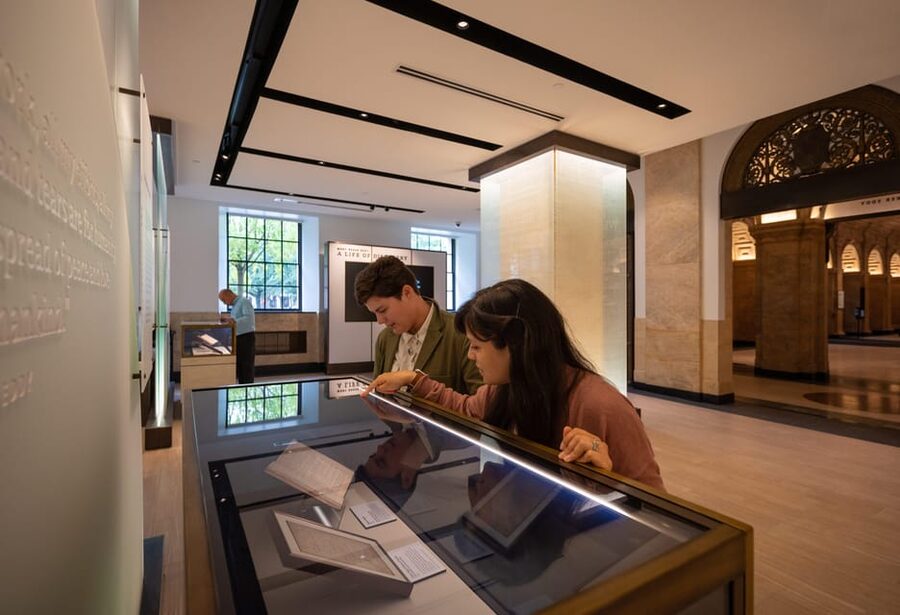
The Mapparium’s timed ticket is the only timed part of the experience. The other exhibits are free and do not require a timed ticket, so you can build your visit around the globe entry and then decide how much time to spend on the rest. The listed duration of 20 minutes applies to the Mapparium experience, not necessarily to a full visit through every exhibit.
At $6, the ticket is easy to justify if you are interested in maps, Boston landmarks, or a short cultural stop. The price buys access to a distinctive walk-through globe and its narration. The free exhibits add value, especially if you take time with the progress displays and the Monitor stories.
For a quick schedule, allow about 20 minutes for the timed attraction, then leave extra time for the free displays if you want to read and interact with them. The exact time needed depends on how much you choose to explore. A hurried visit can focus on the globe; a more thoughtful one can connect it to the exhibitions beyond.
Look for the large How Do You See the World? banners on the building next to the church. The host or greeter speaks English, and the experience is wheelchair accessible. Food and drinks are not allowed.
There is one occasional extra to keep in perspective. A visitor from Italy described being able to join a church tour and hear the large organ on a Friday. That sounds like a memorable addition, but it is not part of the stated Mapparium experience, so do not plan your visit around it or assume it will be available.
Same city, a different kind of day:
- Boston: City Cruises Whale Watching Cruise
★ 4.5 · 4,710 reviews - Boston Duck Tour: The Original and World-Famous
★ 4.6 · 3,935 reviews - Harvard University Campus Guided Walking Tour
★ 4.5 · 3,632 reviews - Boston Fenway Park: Guided Ballpark Tour with Options
★ 4.8 · 3,606 reviews
Who should book the Mapparium
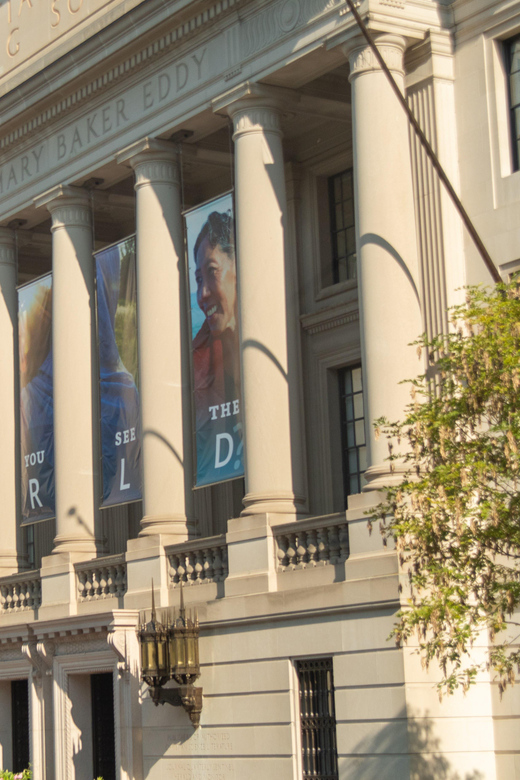
I would put this near the top of the list for anyone who likes maps, history, or unusual spaces. The globe gives you a distinct experience in a short time, and the surrounding exhibits make the ticket feel more substantial than a single-room attraction. It is also a sensible option for a Boston itinerary that needs a compact indoor stop.
It may suit you especially well if you are curious about how the world looked before World War II, or if you want a different perspective on the history of mapping. The Monitor and Mary Baker Eddy exhibits broaden the appeal for people interested in journalism, faith, and social progress.
If you are seeking a long, highly guided tour, this is not the right fit. The Mapparium entry is brief, and no specific guide is named. Think of it as a timed, narrated experience followed by optional exhibits, not a full tour of the surrounding institutions.
Book it if the idea of standing inside a stained-glass map appeals to you and you have room for a short, thoughtful stop. If your interest is limited to the globe, the 20-minute duration and $6 price make the decision straightforward. If you want a fuller visit, take advantage of the free displays and give yourself time to explore the stories beyond the glass.
FAQ
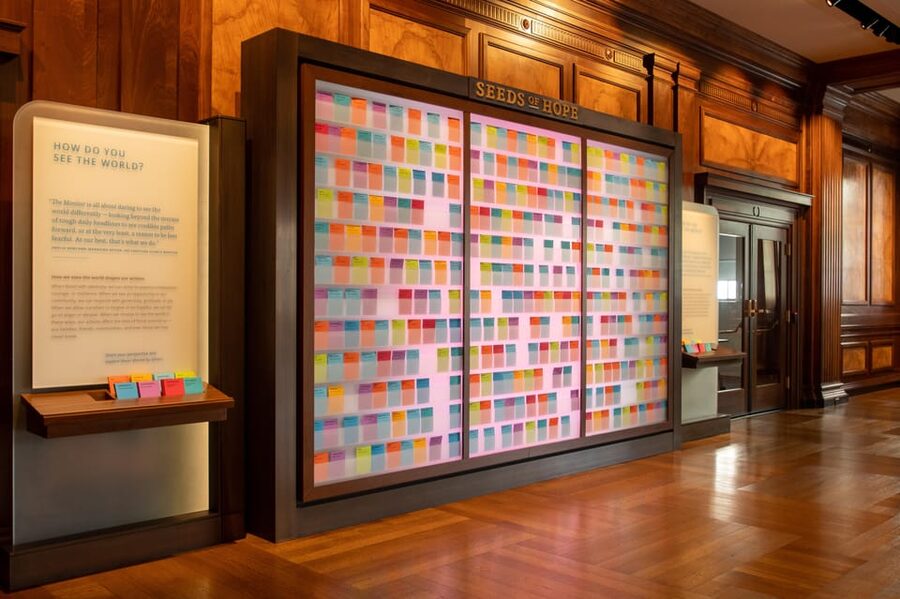
How long does the Mapparium experience last?
The timed Mapparium visit lasts about 20 minutes. You can spend additional time in the other exhibits, which are free to enter.
How much does the ticket cost?
The listed price is $6 per person.
What does the timed ticket include?
It includes timed entry to the Mapparium globe, the How Do You See the World? experience, the Christian Science and Mary Baker Eddy exhibit, and The Mary Baker Eddy Library and Exhibit.
Do the other exhibits require a timed ticket?
No. The exhibits outside the Mapparium are free and do not require timed entry.
What year does the Mapparium show?
The globe is fixed in 1935, before World War II.
Is narration included inside the globe?
Yes. The Mapparium experience includes narration from within the globe.
Where is the meeting point?
Look for the large How Do You See the World? banners on the building next to the church.
Is the experience wheelchair accessible?
Yes, it is listed as wheelchair accessible.
Can I bring food or drinks?
No. Food and drinks are not allowed.
Just added around Boston
- Boston’s Freedom Trail: A Self-Guided Tour of All 16 Sites★ 5.0 · 14 reviews
- Boston’s Freedom Trail: A Self-Guided Audio Tour★ 4.0 · 18 reviews
- Private Walking tour of Boston’s Freedom Trail and more!★ 5.0 · 29 reviews
- Boston Self-Guided Audio Tour Bundle: Freedom Trail & More★ 4.5 · 5 reviews
- Tour-in-Four — A Private four hour walking & driving city tour★ 5.0 · 32 reviews
- Washington D.C. Cherry Blossom,Baltimore 3-Day Tour from Boston★ 4.5 · 7 reviews
- Freedom Trail Experience★ 5.0 · 8 reviews
- Tour de Cambridge Guided Bicycle Tour★ 5.0 · 34 reviews
Boston Tours, compared.
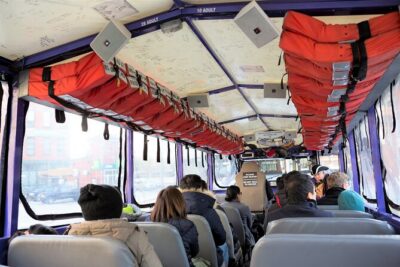
Boston Duck Boat Sightseeing City Tour with Cruise Along Charles River
Read our review →
Freedom Trail History Small Group Walking Tour
Read our review →
Boston Hop-On Hop-Off Trolley Tour with 13 Stops
Read our review →

Harvard University Campus Guided Walking Tour
Read our review →
Boston Fenway Park: Guided Ballpark Tour with Options
Read our review →
Boston to Martha’s Vineyard Day Trip with Optional Island Tour
Read our review →