
Reviewed · BEACON HILL TOURS
Boston: Underground Railroad History Tour of Beacon Hill
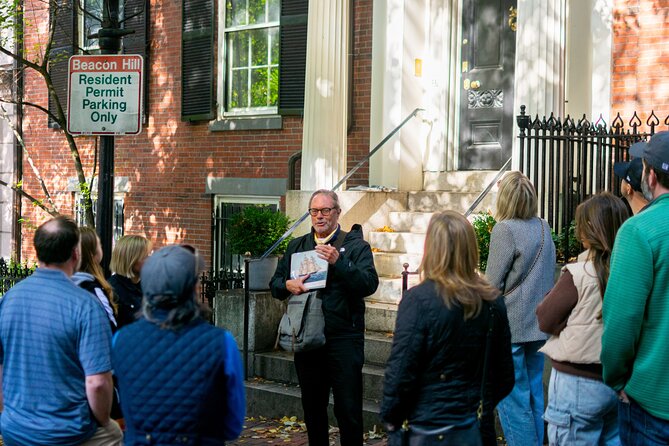
Beacon Hill’s polished brick homes tell only part of the story. On this walk, you connect the neighborhood to Black abolitionists, Underground Railroad safe houses, the fight over school integration, and Boston’s role in the Civil War. I love that the route gives Black history a central place in a neighborhood often remembered for its wealthy white residents. I also like the small-group limit, which leaves room to ask questions.
The trade-off is physical: this is a 2.5-hour walk over hilly streets and uneven surfaces, with long stretches of standing. Comfortable shoes and water are sensible; if extended walking is difficult for you, this may not be the right outing.
- Follow the Black Heritage Trail through Beacon Hill, with ten landmarks included in the walk.
- Visit the African Meeting House, built in 1806 and described as the oldest surviving Black church building in the United States.
- Hear the stories behind specific addresses, including 66 Phillips Street, a safe house owned by the Hayden family.
- Walk with no more than 16 people, a useful size for hearing the guide and joining the conversation.
- Finish at the 54th Regiment Memorial, opposite the Massachusetts State House and about 0.2 miles from the starting area.
Beacon Hill’s familiar streets, told from another angle

Beacon Hill is one of Boston’s most handsome neighborhoods, but this tour asks you to look beyond its tidy brick facades and cobbled lanes. Here, the story of slavery and abolition sits alongside the story of Boston’s elite families. The contrast matters: the neighborhood was not just a setting for wealth and fine houses. It was also home to Black residents who organized, taught, sheltered people escaping slavery, and pressed for equal rights.
The tour gives you a place-based account of those efforts. Instead of hearing about abolition as a distant national movement, you stand near the homes, schools, churches, and meeting places tied to the people who shaped it. That local scale is one of the walk’s strongest points. You see how several generations of activism, from the early republic through the Civil War, can be connected to a compact part of Boston.
The guides are a major part of the experience. Dana, Will, Meghan, Lin, Joe, Drew, and Dave are among the guides whose names have been shared by people taking the walk. The common thread is a strong command of the subject and an energetic style of storytelling. The best fit is someone who likes a guide-led history walk and is comfortable staying outdoors for a few hours.
Starting at the Soldiers and Sailors Monument
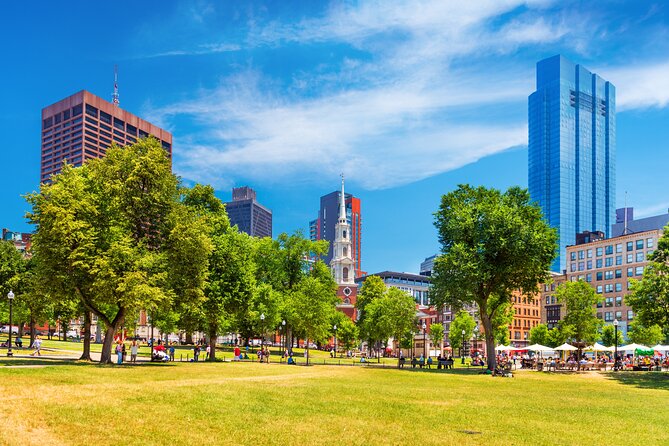
Meet at the Soldiers and Sailors Monument in the middle of Boston Common, near the Boston Common Visitors Center at 139 Tremont Street. The white granite column, topped by a female figure holding a flag and ringed by four bronze statues, is an easy landmark to recognize. The group begins here before heading toward Beacon Hill.
Boston Common offers a useful opening frame. It is identified as the oldest public land in the Americas and began as a communal grazing pasture in 1634. That early civic use sets up a broader question about who had access to public life in Boston, and who had to fight for it. The guide can also orient you to the walk before the streets narrow and the history gets more specific.
This first stop is brief, about ten minutes, and admission is free. Arrive ready to stand and listen, rather than expecting a long visit to the Common. The route is a walking tour, not a bus trip with occasional photo stops.
More Beacon Hill tours around Boston:
- Downtown Freedom Trail, Beacon Hill & Back Bay Walking Tour
★ 4.5 · 473 reviews - 2-Hour Beacon Hill True Crime Expert Guided Tour
★ 5.0 · 182 reviews - Beacon Hill Boston History + Photo Walking Tour (SMALL Group)
★ 5.0 · 163 reviews
Acorn Street and the Brahmin neighborhood
From the Common, the walk moves into Beacon Hill’s winding lanes, including Acorn Street. Its narrow cobblestones are among the neighborhood’s most recognizable features. They are also a practical reminder that this is an old district: the surface is uneven, and good walking shoes matter more here than stylish city shoes.
The route looks at Beacon Hill’s elite 19th-century residents, often called Boston Brahmins, alongside the Black community whose history is less visible in the neighborhood’s familiar image. That pairing adds useful context. The handsome square and grand homes are not simply pretty scenery; they help explain the social divisions, influence, and power that abolitionists challenged.
Expect frequent stops rather than a brisk march. You will hear stories at specific buildings and street corners, then continue on foot to the next site. One advantage of a small group is that you can ask a question when a detail catches your attention. One drawback is that everyone needs to keep up with the pace and remain standing during the talks.
Phillips School and the struggle over education
At the Phillips School, the tour turns to the fight over racial integration in Boston’s public schools. The building opened as a whites-only school in 1824 and was among the first schools in Boston to integrate, by 1855. The facts make this more than a stop at an old schoolhouse: they show how segregation and resistance played out in the North, not only in the South.
You also hear about a school founded in 1835 for Boston’s African-American children. Together, the school sites put education at the center of the story. They help explain why Black families and activists challenged unequal schooling, and why access to classrooms was part of a wider struggle for civic rights.
The walk does not treat abolition as a story made only by famous politicians. It also draws attention to people whose work is not always recorded on plaques, including women and community activists. That broader cast of people gives the tour more human scale and helps you see how local organizing supported larger national change.
John J. Smith’s home and Charles Street Meeting House
The John J. Smith House connects the story to a man who was an abolitionist, state legislator, and former barber. That combination says something about the range of public roles Black Bostonians held and the barriers they faced. The tour also points out the main thoroughfare of Beacon Hill, lined with local shops and restaurants, where the neighborhood’s historic setting meets its present-day life.
At the Charles Street Meeting House, built in 1807, the focus is contentious debate over racial integration. A meeting house is an apt place to discuss how public argument and organized community action shaped the struggle. The stop lasts about 15 minutes, enough for a substantial explanation without turning the walk into an indoor lecture.
Nearby, the route includes the home of an African-American community activist and abolitionist. You may also hear about abolitionists whose actions reached far beyond Boston. The tour connects local places to a national fight, including the story of U.S. Senator Charles Sumner, who was beaten unconscious in the Capitol in 1856 over the issue of slavery. The point is not just that Boston had opinions about the crisis. Its residents were involved in the networks and arguments that helped drive the country toward war.
More history tours around Boston:
- Boston: Freedom Trail History Small Group Walking Tour
★ 5.0 · 6,450 reviews - Tour of Historic Fenway Park, America’s Most Beloved Ballpark
★ 4.5 · 3,013 reviews - The Full Revolutionary Story Epic Small Group Boston Walking Tour
★ 5.0 · 2,356 reviews - Boston Food & History: Pizza, North End & Freedom Trail
★ 5.0 · 1,772 reviews
66 Phillips Street and the Hayden family
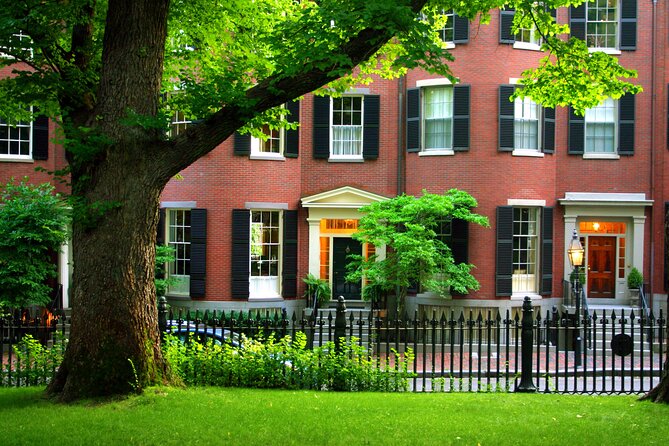
One of the walk’s most direct connections to the Underground Railroad is 66 Phillips Street. The house was a safe house owned by the Haydens, abolitionists who had formerly been enslaved. That history puts a real address to the work of sheltering people escaping slavery and resisting the system that had forced them into bondage.
This stop is scheduled for about 15 minutes. That extra time is welcome, since the guide can explain the family’s place in the abolitionist movement and the risks involved in helping people seeking freedom. Some accounts of the tour also describe discussion of secret passages. Treat that as a possible part of the storytelling, not the main reason to book: the essential value is learning about the people who made the house a point of support.
The Underground Railroad was a network of people and places, not a single track or formal organization. On this walk, the safe-house story becomes more concrete because you are standing in the neighborhood where that aid took place. It is a sobering subject, and the guide’s role is to explain it with care rather than turn it into a dramatic spectacle.
Otis House and the people beyond the famous names
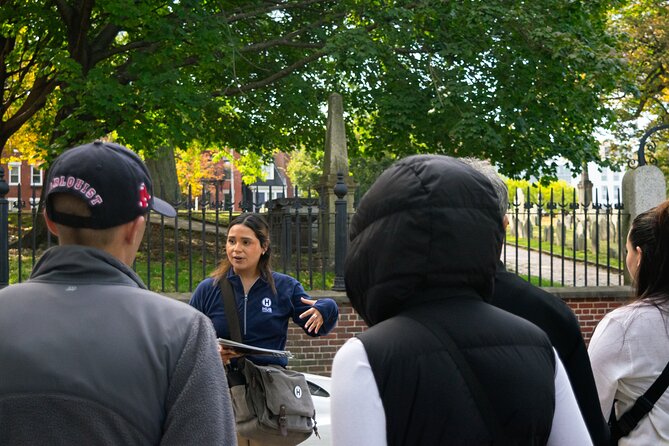
Otis House, a 1796 residence associated with Boston mayor Harrison Gray Otis, brings the Brahmin side of the neighborhood back into view. Otis was the nephew of revolutionary James Otis Jr. The stop gives the guide a chance to consider the families with political and social influence, then set that influence beside the work of Black abolitionists who challenged the existing order.
The route also passes an 1806 church designed by architect Asher Benjamin, homes connected to abolitionists, and residences associated with people such as historian William Cooper Nell. These stops make the walk feel less like a checklist of monuments and more like a neighborhood study. You are following a web of community members, institutions, and arguments through the streets.
Another story concerns the outspoken abolitionist and U.S. senator who was attacked in the Capitol in 1856. That incident helps explain how fierce the national conflict over slavery had become, even before the Civil War began. The tour’s strength is its ability to tie that national drama to the people and places you are seeing in Beacon Hill.
The African Meeting House, a central stop
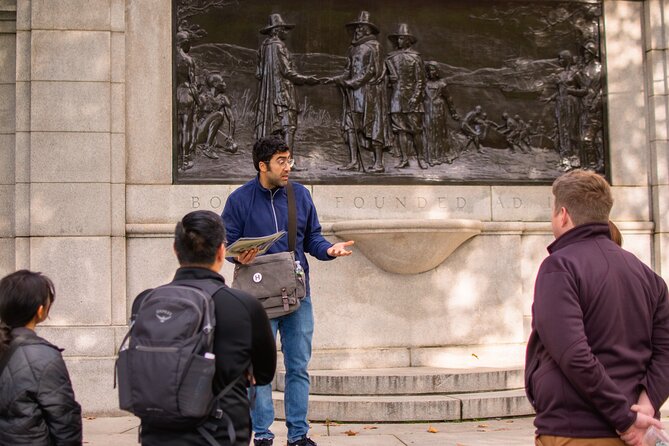
The African Meeting House is the longest scheduled stop, at about 25 minutes, and for good reason. Built in 1806, it served as a cultural center for Boston’s African-American community and is identified as the oldest surviving Black church building in the United States. It is also a powerful setting for the tour’s account of community life and political action.
Admission to the African Meeting House is included. The tour’s general exclusions note that admission inside museums is not included, so do not assume that this covers entry to other museums you may want to visit. This stop is the clearest opportunity to connect a physical place with the institutions that sustained Black community life.
The meeting house also changes the rhythm of the walk. After several outdoor stops, you have more time at one important site. If you are especially interested in Black history, this may be the point that stays with you most. If your main goal is simply to see Beacon Hill’s architecture, you may find the depth of the historical discussion more than you expected, but that is the heart of the tour.
Pinckney Street and the 54th Regiment Memorial
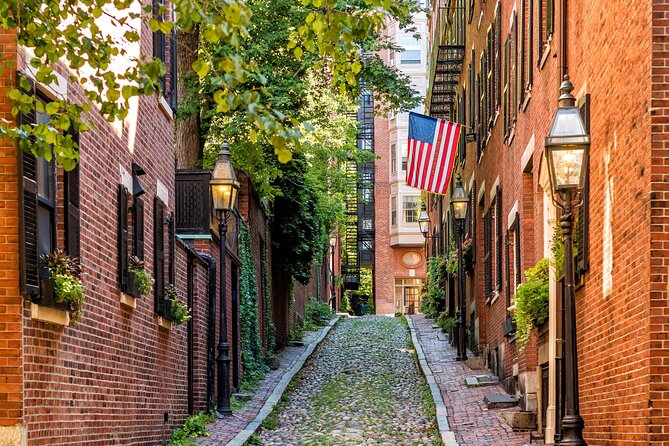
At 5 Pinckney Street, the route visits Beacon Hill’s oldest surviving house, dating to 1787. It was home to an African-American Revolutionary War veteran. That detail complicates the easy division between Black history and the country’s founding story. Black residents were part of the nation’s early history, even as later generations had to keep pressing for rights the country claimed to value.
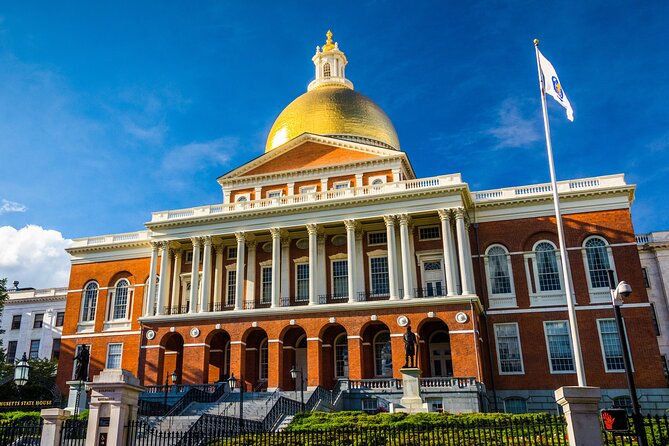
The walk then reaches the Massachusetts State House, opened in 1798 and nicknamed the Hub of the Solar System. The final stop is the Robert Gould Shaw and the 54th Regiment Memorial, opposite 24 Beacon Street. The memorial honors Shaw and the 54th Massachusetts Regiment, a Black regiment whose story links Boston to the Civil War.
The tour ends here after about 2.5 hours. The finish is roughly 0.2 miles from the starting area, so it is close to where you began but not necessarily at the exact same point. The location is useful if you want to continue exploring near the State House or pause after a long walk.
What $35 buys, and who will value it
At $35 per person, the price pays for a guided walk of about two and a half hours, a small group capped at 16, and admission to the African Meeting House. The value is less about covering a large number of attractions and more about getting context at places you could otherwise pass without understanding. If you want the guide to connect individual houses and institutions to the broader history of abolition, the fee is reasonable for a focused city tour.
The group limit is worth noting. Sixteen people is still a group, but it is small enough to make questions and conversation practical. Guides such as Dana, Will, Meghan, and Lin are praised for lively storytelling, clear explanations, and an ability to handle questions. Some are experienced educators or historians, and that background comes through in the way the tour links local stories to larger events.
Plan for a longer outing than a quick neighborhood stroll. The advertised length is about 2.5 hours, though the amount of material can sometimes push the finish later than expected. Leave some breathing room afterward rather than booking a tight appointment. The pace includes frequent stops, but you will still be walking and standing for much of the tour.
This is best for adults and older children with at least some interest in American history, especially the period from the Revolution through the Civil War. Families with teenagers may find the stories compelling; a 12- or 13-year-old with a genuine interest in history may do well. Younger children may find the length and amount of standing hard. The tour requires a moderate level of physical fitness and is not recommended if standing for extended periods is difficult.
Wear shoes suited to hills, cobblestones, and uneven pavement, and bring water. The tour is near public transportation, and service animals are allowed. It is offered in English, with a mobile ticket. Gratuity is optional. You can cancel for a full refund up to 24 hours before the start time; bad weather or too few people can also lead to a rescheduled experience or refund.
Should you book the Beacon Hill walk?
Book this tour if you want Boston’s Black history and abolitionist movement explained at the places where people lived, organized, taught, and worked. Its strongest feature is the guide-led storytelling, supported by a compact route and a small group. You will leave with a fuller picture of Beacon Hill than its architecture alone provides.
Skip it if you need a flat, short outing or have trouble standing for long periods. If you are comfortable with hills and want a history walk that treats Boston as an active part of the struggle against slavery, this is a worthwhile use of a morning or afternoon.
FAQ
How long is the tour?
It lasts about 2 hours and 30 minutes. The amount of history may sometimes make the walk run longer, so avoid scheduling a tight commitment afterward.
How much does it cost?
The price is $35 per person.
Where does the tour start?
It starts at the Soldiers and Sailors Monument in Boston Common, near the Boston Common Visitors Center at 139 Tremont Street.
Where does the tour end?
It ends at the Robert Gould Shaw and the 54th Regiment Memorial, opposite the Massachusetts State House. The finish is about 0.2 miles from the starting area.
How large is the group?
The maximum group size is 16 people.
Is admission included anywhere?
Admission to the African Meeting House is included. Admission to other museums is not included.
Is the tour suitable for children?
It can suit older children who have an interest in history. The walk includes several hours of walking and standing, which may be tiring for younger children.
How much walking is involved?
Expect about 2.5 hours on foot, with frequent stops. Beacon Hill has hills, cobblestones, and uneven surfaces.
Is the tour accessible for someone who has difficulty standing?
It is not recommended for people who have difficulty standing for extended periods. A moderate level of physical fitness is advised.
What happens if the tour is canceled because of bad weather?
You will be offered a different date or a full refund if the experience is canceled because of poor weather.
Just added around Boston
- Boston’s Freedom Trail: A Self-Guided Tour of All 16 Sites★ 5.0 · 14 reviews
- Boston’s Freedom Trail: A Self-Guided Audio Tour★ 4.0 · 18 reviews
- Private Walking tour of Boston’s Freedom Trail and more!★ 5.0 · 29 reviews
- Boston Self-Guided Audio Tour Bundle: Freedom Trail & More★ 4.5 · 5 reviews
- Tour-in-Four — A Private four hour walking & driving city tour★ 5.0 · 32 reviews
- Washington D.C. Cherry Blossom,Baltimore 3-Day Tour from Boston★ 4.5 · 7 reviews
- Tour de Cambridge Guided Bicycle Tour★ 5.0 · 34 reviews
- True Crime Tour of Boston★ 4.0 · 17 reviews
Beacon Hill Tours, compared.
Downtown Freedom Trail, Beacon Hill & Back Bay Walking Tour
Read our review →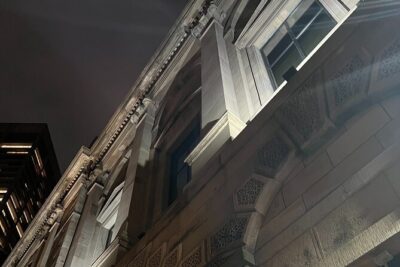
2-Hour Beacon Hill True Crime Expert Guided Tour
Read our review →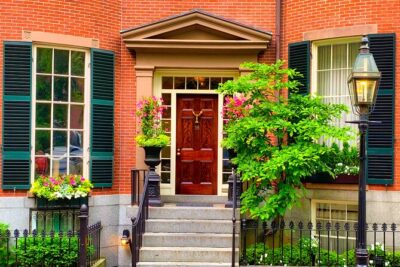
Beacon Hill Boston History + Photo Walking Tour (SMALL Group)
Read our review →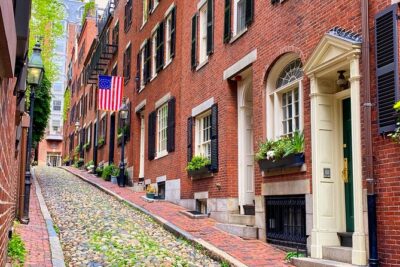
Beacon Hill + Back Bay History + Photo Walking Tour(SMALL Group)
Read our review →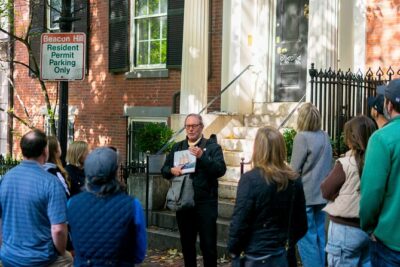
Underground Railroad History Tour of Beacon Hill
Read our review →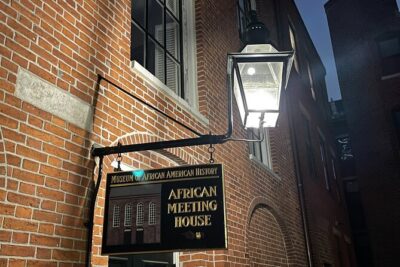
Self-Guided Boston’s Beacon Hill Underground Railroad Audio Tour Walking Tour
Read our review →

Browse the lists this tour appears in