
Reviewed · BOSTON
Plimoth Patuxet Museums
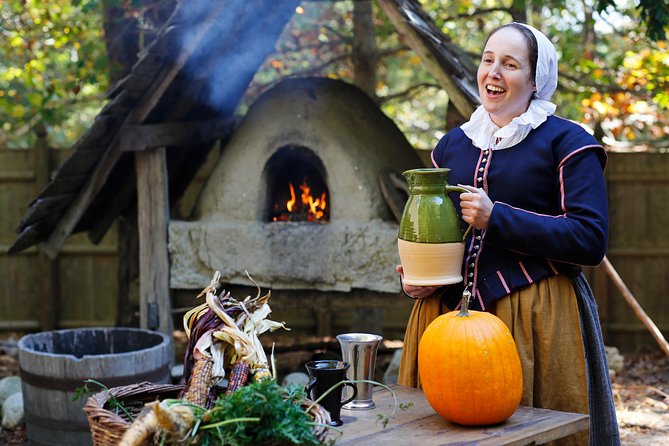
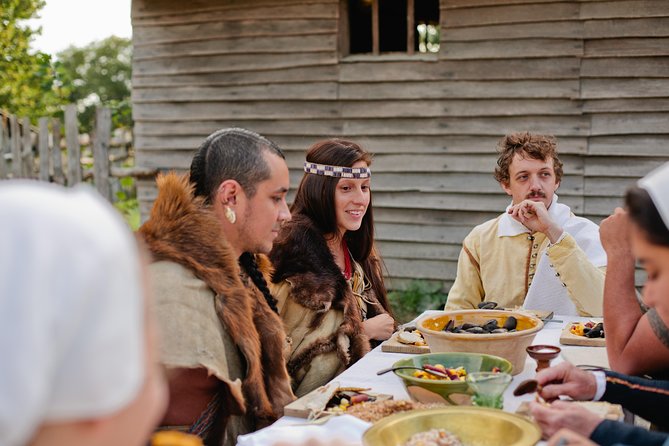
Plimoth Patuxet puts two very different communities at the center of Plymouth’s early story: the English settlers in their recreated village and the Indigenous people whose ancestors have lived in this region for more than 12,000 years. I like that the experience pairs period-costumed interpreters with a Historic Patuxet Homesite, rather than treating the Pilgrim story as the whole story.
I also like the choice of ticket packages. You can focus on Plimoth Patuxet or add the Mayflower II and the downtown Grist Mill for a fuller day. One consideration: the sites are spread out, and the village paths are uneven, so don’t squeeze all three into a tight schedule or expect easy walking everywhere.
A living-history visit with more than one point of view
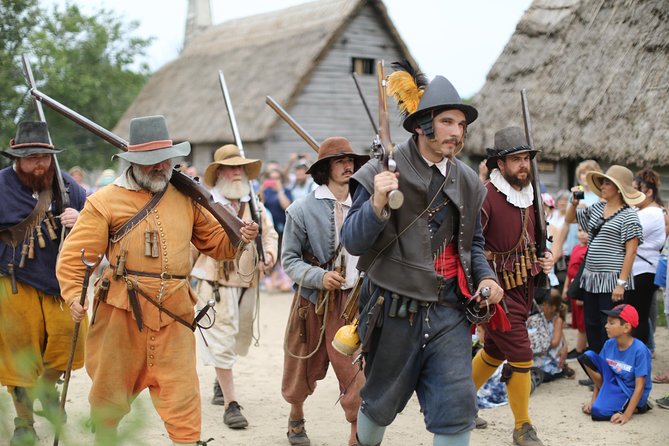
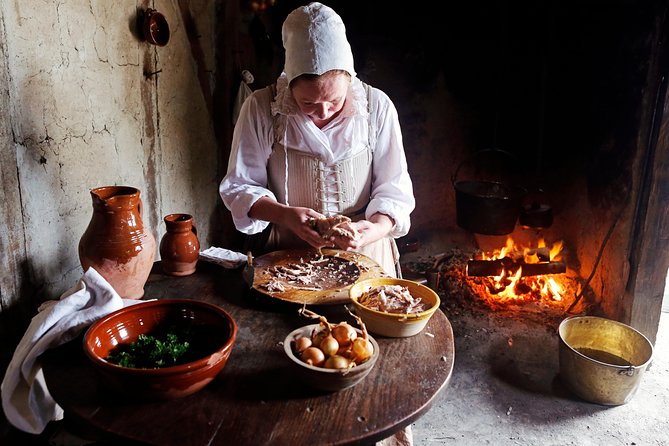
Plimoth Patuxet is an open-air history museum in Plymouth, about an hour south of Boston by car, depending on traffic. Its central experience is a recreation of a 17th-century English village, where interpreters in period clothing take on the roles of settlers. You can walk among the houses and gardens at your own pace, then ask questions to hear about daily life from the characters themselves.
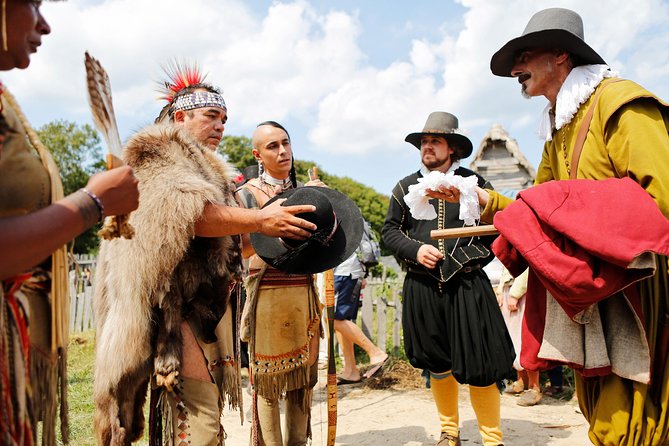
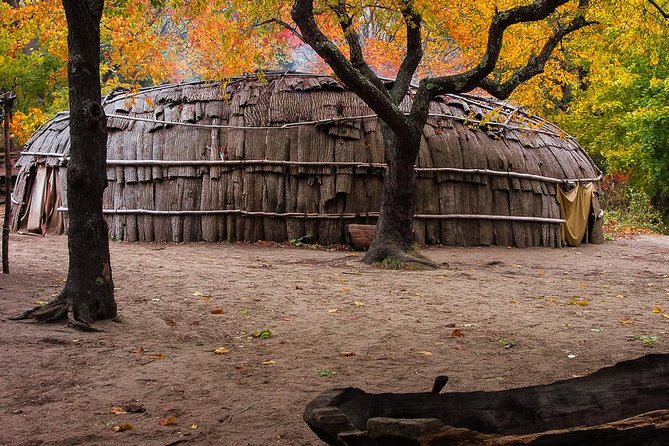
The museum also presents Indigenous history at the Historic Patuxet Homesite. Contemporary interpreters share the heritage of the region’s Indigenous people, whose communities have lived here for thousands of years. This part of the visit is not an aside. It gives you an important view of the land and its people before and during the arrival of the English settlers.
That broader framing may surprise you if you arrive expecting a Pilgrim-only attraction. If you want to understand the founding story from more than one perspective, it’s a strength. If your interest is narrowly focused on the English settlement, you may find the emphasis less to your taste.
The museum also connects the 17th century to later American history. The Mayflower Compact is presented as an early expression of self-government, and the museum’s We Gather Together: Thanksgiving, the Making of an American Holiday exhibit examines how the holiday took shape. The point is not that one visit explains the whole country. It’s that the ideas and conflicts of later centuries have roots worth examining here.
What to know before you choose a ticket
Admission to Plimoth Patuxet includes the Historic Patuxet Homesite, the 17th-Century English Village, the Craft Center and the Thanksgiving exhibit. The Mayflower II and Plimoth Grist Mill are add-ons, available through selected combination or heritage tickets. Check the exact package before booking so you know which sites are included.
The listed price is $35 per person, with packages varying according to what you select. For one site, that buys several hours of outdoor exhibits, interpreters and indoor displays. The value improves if you take your time, ask questions and make use of the added locations. A quick walk through the village without stopping to talk may feel like less for your money.
Prebooking can help you secure admission and simplify planning, but compare the package price with the museum’s on-site price before you pay. The difference may matter: one visitor reported that buying on site would have saved a few dollars per ticket. Prices and offers can change, so treat that as a reason to check, not a guarantee of savings.
Plan for about four to five hours for the main experience and one or two added stops, but the full three-site day can run longer. Some people finish in around five hours; others spend seven hours exploring all three. If you enjoy talking with interpreters, allow more time. The characters and docents are a major part of the visit, and rushing past them misses much of what makes the village work.
Other things people book around Boston:
- Boston Duck Boat Sightseeing City Tour with Cruise Along Charles River
★ 4.5 · 9,378 reviews - Boston: Freedom Trail History Small Group Walking Tour
★ 5.0 · 6,450 reviews - Boston Hop-On Hop-Off Trolley Tour with 13 Stops
★ 4.5 · 5,576 reviews
Walking the English village and Patuxet Homesite
The English village is the heart of the visit. You move among recreated houses and working gardens, with interpreters portraying people who lived in the settlement. The presentation is not a conventional guided tour with a set script and a group to follow. You can wander, pause and start conversations.
I’d encourage you to ask questions. The experience depends in part on how much you engage with the people in the village. Some interpreters are more animated than others, and a few may offer short answers, but direct questions about household life, food, work or survival can lead to a more rewarding exchange. The characters are there to bring the period to life, not necessarily to deliver a complete overview of every historical event.
That distinction matters. The houses and gardens show you how people lived, but visitors looking for detailed written explanations, named residents for each home or a full account of the settlement’s early hardships may want more context than the village itself provides. Watch the introductory film in the visitor center before heading out. It gives you a useful frame for what you’ll see and can help fill in some of the story.
The Historic Patuxet Homesite is a highlight for anyone who wants to understand the region beyond the familiar Pilgrim narrative. Contemporary interpreters discuss Indigenous heritage and life in the Northeast. Families often find this section especially engaging, and it gives the visit a broader historical balance.
The site is spread out, with dirt paths and uneven surfaces. Comfortable shoes are a sensible choice, and rain gear is wise: the museum operates in all weather. Staff-run golf carts can help visitors with mobility concerns reduce the amount of walking. Ask Guest Services when you arrive.
Adding the Mayflower II at Plymouth Harbor
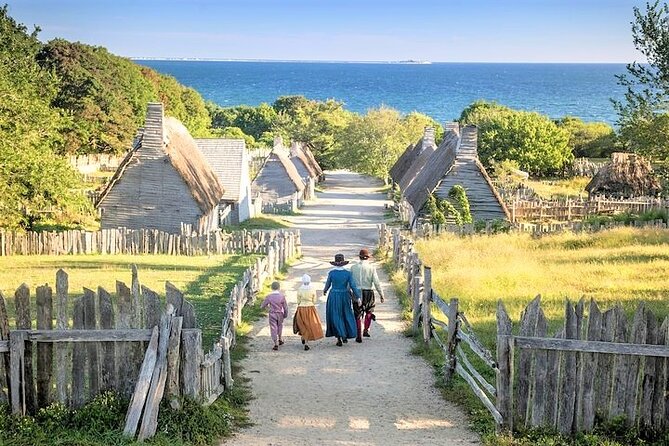
The Mayflower II is a floating museum docked at picturesque Plymouth Harbor, roughly three miles north of Plimoth Patuxet. You’ll need a car to get between the two locations. Selected combination or heritage tickets include access, and you can visit on the same day or, during the 2025 season, on a different day.
Once aboard, you can get a sense of the cramped conditions of the 1620 crossing. Modern-day guides are available to share stories about the voyage and the ship’s history. The visit is relatively short, around 30 minutes, and may feel more self-guided than the open-air village. Think of it as a focused look at the ship, not a long narrated tour.
The replica is carefully presented, though it can look more polished than a working vessel of the period. That can make it harder to picture the crossing at first. Give yourself time to look around and listen to the guides; the ship’s physical scale helps make the journey more real than reading about it alone.
Nearby, Plymouth Rock is an easy addition to a waterfront stroll, though it is separate from the three main museum stops described here. Guides at the rock can explain its history and the stories attached to it. If you already know the landmark, you may still pick up details that put its place in the local story in perspective.
Seeing the water-powered Plimoth Grist Mill

The Plimoth Grist Mill sits in historic downtown Plymouth at 6 Spring Lane, beside Town Brook and a short walk from the waterfront through Brewster Gardens. It is a working reproduction of the mill built by Pilgrim John Jenney, on the original location. The visit connects history with practical mechanics: you can see how water power turns the mill and learn about the ecology of Town Brook.
The mill takes about 30 minutes to visit, though you may stay longer if you enjoy demonstrations and exhibits. The lower level has hands-on displays where you can try milling for yourself. On Saturday afternoons, the millstones are operational. On other days, millers may be sifting and preparing cornmeal or getting the stones ready for the next run.
The shop sells freshly stone-ground cornmeal and samp, also called grits. It’s a useful stop if you like to cook, and a more tangible souvenir than another fridge magnet. The mill adds a different texture to the day: it’s not another settlement scene, but a look at the technology and local resources that shaped daily life.
Construction has affected the walking route between the mill and the Mayflower area, so check conditions on arrival rather than assuming the path is clear. The mill can also be visited on a different day from Plimoth Patuxet during the 2025 season, which gives you room to break up the itinerary.
Same city, a different kind of day:
- Boston: City Cruises Whale Watching Cruise
★ 4.5 · 4,710 reviews - Boston Duck Tour: The Original and World-Famous
★ 4.6 · 3,935 reviews - Harvard University Campus Guided Walking Tour
★ 4.5 · 3,632 reviews - Boston Fenway Park: Guided Ballpark Tour with Options
★ 4.8 · 3,606 reviews
Timing, crowds and the best pace
The museum is open in all weather, so dress for the forecast and expect outdoor walking. A wet day can make the paths less comfortable, though rain may also give you a more vivid sense of how demanding life could be without modern shelter. Keep the experience in perspective: an afternoon in bad weather is not the same as a winter at sea, but the outdoor setting makes weather part of the visit.
School groups can make the village lively, particularly on weekdays from September through November. If you prefer a quieter visit, consider arriving after 2 p.m. during that period. The timing is not a promise of solitude, but it may help you avoid the busiest field-trip hours.
If you want to see all three sites, plan the route before you start. The main museum is at 137 Warren Avenue. The Grist Mill is downtown, and the Mayflower II is three miles north, so the day involves more than one location. A car makes the Mayflower connection simplest. From Boston, public transport options include the Kingston/Plymouth rail line from South Station and Plymouth & Brockton bus service from South Station. Arrange local transport in advance or check the RideCircuit app for its free livery service and schedule.
There is a café in the Plimoth Patuxet visitor center, with both 17th-century-inspired and modern food. It’s convenient, and the succotash soup has earned particular praise, but the menu may feel limited if you’re seeking many healthy choices. Food and drinks are not included in admission, so budget for lunch separately.
The visitor center also has four shops selling museum-made and local New England goods. The Craft Center is part of the admission experience, while the shops give you a chance to browse after the outdoor visit. If you’re buying food at the mill, remember that freshly ground cornmeal is a practical souvenir only if you have room to carry it.
Who will get the most from the visit?
This is a strong choice for history-minded families, especially if your children enjoy seeing homes, gardens, ships and demonstrations rather than spending the day reading exhibit labels. Teenagers may respond well to the chance to question the interpreters directly. The Mayflower II also gives the story a physical scale that a classroom lesson can’t quite supply.
Adults who enjoy social history and living-history settings will find plenty to consider, particularly at the Patuxet Homesite. The visit is less satisfying if you expect a detailed written account at every house or a tightly structured tour covering every major person and event. To get more from it, watch the opening film, read what is available and start conversations.
The full combination is best for someone who can give Plymouth most of a day. If you have limited time, choose the village and Homesite first, then add the Mayflower or mill according to your interests. The Mayflower suits anyone drawn to the crossing and maritime history; the Grist Mill is a good fit for people curious about water power, food and local industry.
Should you book Plimoth Patuxet?
Book it if you want a hands-on introduction to Plymouth’s early history and are willing to engage with interpreters rather than simply pass through the buildings. The village, Patuxet Homesite and Mayflower II work especially well together, while the Grist Mill adds a useful look at everyday technology.
Before you commit, compare ticket options, leave enough time for the distances between sites and be ready for uneven outdoor paths. If you want quiet, avoid weekday school-group periods when possible. For a rushed visit or a narrow interest in Pilgrim history alone, a smaller selection of stops may be better value than trying to fit in everything.
Key points
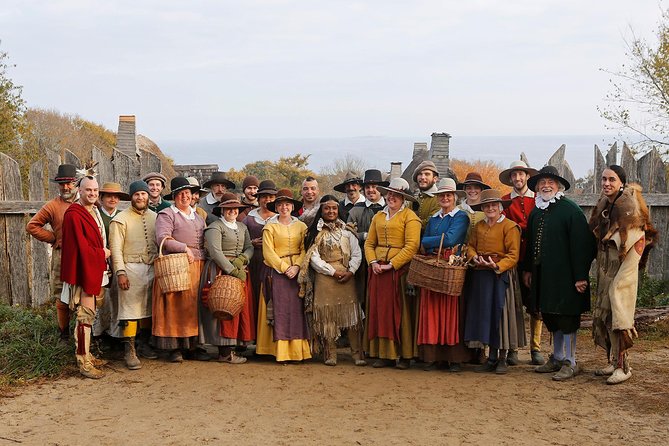
- The Patuxet Homesite broadens the story: Contemporary interpreters share Indigenous heritage from a region inhabited for more than 12,000 years.
- The village rewards conversation: Ask the period-costumed interpreters questions to get more from the recreated homes and gardens.
- The Mayflower II is three miles away: You’ll need a car to travel between it and Plimoth Patuxet.
- The Grist Mill is downtown: Walk there from the waterfront through Brewster Gardens, and look for working millstones on Saturday afternoons.
- Allow more time than the minimum: The three-site visit can take five to seven hours, especially if you stop to talk and explore.
- Paths are uneven, but help is available: Ask Guest Services about the free staff-operated golf cart service.
FAQ
How long should I allow for Plimoth Patuxet?
The main experience is listed at about two and a half hours, while the overall visit is commonly planned for four to five hours. Seeing all three sites at a relaxed pace can take longer, with some full visits lasting about seven hours.
Does admission include the Mayflower II and Grist Mill?
The Plimoth Patuxet ticket includes the Historic Patuxet Homesite, 17th-Century English Village, Craft Center and Thanksgiving exhibit. The Mayflower II and Grist Mill are add-ons included with selected combination or heritage tickets.
Can I visit the Mayflower II on the same day?
Yes. With a qualifying combination or heritage ticket, you can visit it on the same day as Plimoth Patuxet or, during the 2025 season, on a different day. The Mayflower II is about three miles north, and you’ll need a car to get there.
Is the museum suitable for someone with mobility concerns?
The outdoor paths can be uneven. Free golf cart service operated by staff is available to help visitors with mobility concerns reduce the walking. Ask Guest Services when you arrive.
What happens at the Grist Mill?
You can see a working reproduction of John Jenney’s mill, learn about water power and Town Brook, and try milling through hands-on exhibits. The millstones operate on Saturday afternoons; on other days, millers prepare the cornmeal and stones.
Can I cancel my ticket for a refund?
You can cancel for a full refund up to 24 hours before the experience’s start time. Changes or cancellations made less than 24 hours before the start time are not accepted for a refund.
Just added around Boston
- Boston’s Freedom Trail: A Self-Guided Tour of All 16 Sites★ 5.0 · 14 reviews
- Boston’s Freedom Trail: A Self-Guided Audio Tour★ 4.0 · 18 reviews
- Private Walking tour of Boston’s Freedom Trail and more!★ 5.0 · 29 reviews
- Boston Self-Guided Audio Tour Bundle: Freedom Trail & More★ 4.5 · 5 reviews
- Washington D.C. Cherry Blossom,Baltimore 3-Day Tour from Boston★ 4.5 · 7 reviews
- Tour-in-Four — A Private four hour walking & driving city tour★ 5.0 · 32 reviews
- Freedom Trail Experience★ 5.0 · 8 reviews
- Tour de Cambridge Guided Bicycle Tour★ 5.0 · 34 reviews