
Reviewed · SALEM WITCH TOURS
Salem Uncovered: The Salem Witch Trials Tour
Salem’s witch-trial story is best understood on foot, where ordinary streets connect the courthouse site, a sheriff’s former home, and the memorial to those executed in 1692. This 90-minute walk gives you that ground-level view, with a professional storyteller licensed by the city to guide the route.
I like two things in particular: the stops make the story tangible, and the tour ends at the Witch Trials Memorial, a thoughtful place to pause after hearing about the accused. Guides such as Jeffrey have been singled out for combining humor and enthusiasm with an honest account of the darker history.
The main consideration is that this is an outdoor walking tour, not a ticket into Salem’s historic buildings. At $26, the value rests on the guide’s storytelling and the route; if you already know the events well, or want indoor access, you may prefer another way to explore.
Key points before you book
- Seven outdoor stops connect the trial story to real locations, including the former courthouse site and the place where the Old Salem Jail stood.
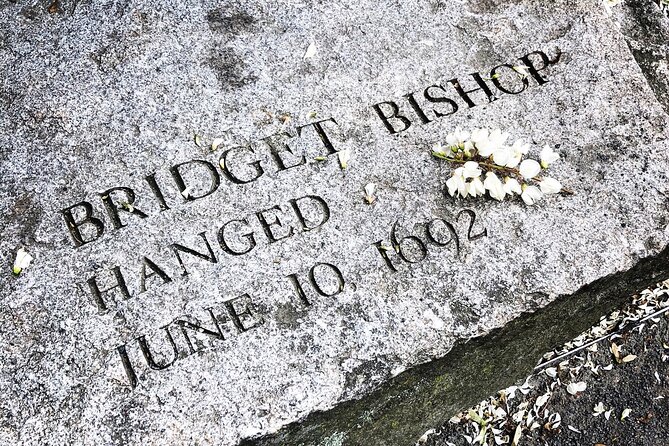
- Bridget Bishop’s story gets a physical anchor at the land where the Old Lyceum Hall now houses Turners Seafood.
- The tour ends at the Salem Witch Trials Memorial, beside the Charter Street Burying Point.
- The guide shapes the experience. Jeffrey and Jeff are names associated with especially engaging, humorous storytelling, though guide styles can vary.
- There are no building admissions. You stop outside the listed places rather than going in.
- Expect a group of up to 44 people. At $26 per person, this is a guided introduction, not a private or small-group tour.
A walking route through the places behind the trials
The tour lasts about an hour and a half and visits seven sites, beginning near Salem Old Town Hall and finishing at the Witch Trials Memorial. The stops range from about 10 to 15 minutes each. That pace gives the guide room to tell the story at each location, but it also means you should expect to stand and listen rather than linger inside buildings.
The route is useful because it ties the trials to places with distinct roles: a sheriff’s home, a church and meeting house, a courthouse, a jail, and the land associated with Bridget Bishop. Some buildings have changed use or disappeared, so the guide’s explanation is what connects the modern street scene to 1692.
There is a small timing wrinkle: the listed stop lengths add up to slightly more than 90 minutes. The advertised duration is approximate, so allow some flexibility rather than scheduling a tight appointment immediately afterward.
More witch-history tours around Salem:
- The Salem Witch Walk
★ 4.5 · 1,301 reviews - Wicked Awesome Tours: Witch Trial History and Salem Haunts!
★ 5.0 · 1,032 reviews - Best Salem Witch Trials Historical Walking Tour
★ 4.0 · 743 reviews
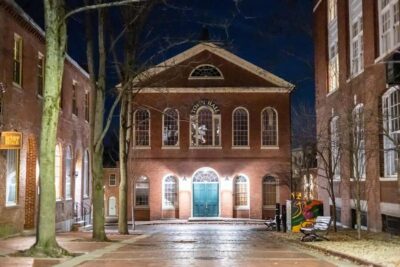
Salem Old Town Hall: a fitting start, with a film connection
The walk begins at Salem Old Town Hall, a historic building that also served as a filming location for Hocus Pocus. That connection gives the first stop an easy hook, especially if you know Salem through its Halloween-season screen presence.
The tour does not go inside. Think of this as a meeting point and a chance to set the scene, not a building visit. From there, the guide shifts attention from modern Salem to the events and people connected with the trials.
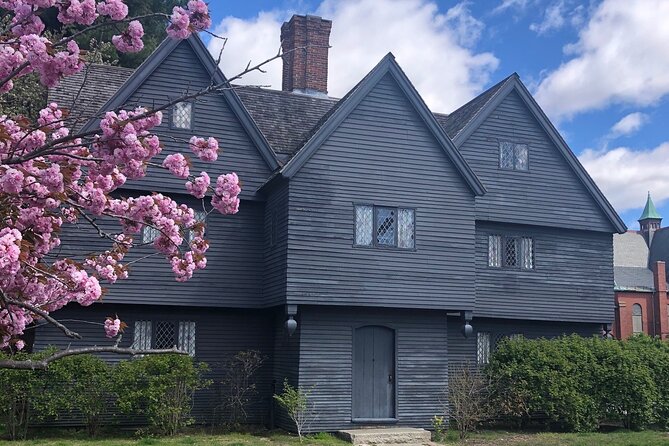
John Ward House: the sheriff’s role comes into focus
At the John Ward House, the guide discusses the former home of Sheriff Corwin, identified with the role of high sheriff of Essex County. Corwin was involved in issuing warrants, interrogating the accused, and torturing them. That makes this stop one of the route’s most direct links to the machinery of the trials.
You will view the site from outside rather than enter the house. Its value is less about architecture and more about understanding how accusations became arrests and how authority was exercised. If you want the story to move beyond the familiar names of the accused, listen closely here.
Rockafellas: a church and meeting house in 1692
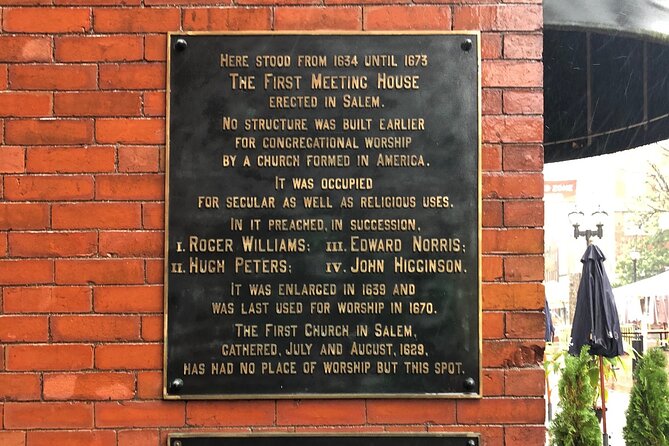
The site of Rockafellas Restaurant was once home to Salem’s First Church and the city meeting house in 1692. This stop places the trial story in the civic and religious life of the town, rather than treating the accusations as an isolated episode.
Again, there is no indoor visit. The building’s present use is a reminder that Salem’s historic sites often sit within a functioning modern town. You are looking at a place, not stepping into a preserved 1692 interior, so the guide’s account supplies the historical context.
Same city, a different kind of day:
- History and Hauntings of Salem Guided Walking Tour
★ 5.0 · 14,564 reviews - Salem’s Best Ghost Tour
★ 4.5 · 4,186 reviews - Salem Voodoo, Vampires, and Ghosts Guided Walking Tour
★ 5.0 · 1,931 reviews - Bewitched Walking Tour of Salem
★ 5.0 · 1,895 reviews
Washington Street: where the courthouse once stood
Near 93 Washington Street, the route reaches the site of the Salem Courthouse, where the trials took place. The courthouse itself is gone, which can make this stop feel less visually dramatic than a surviving historic building.
Still, the location matters. This is where the accusations moved into formal proceedings. The absence of the old structure also underlines a practical point about the tour: not every key site in Salem comes with a landmark facade. Sometimes the value is knowing what happened on the ground beneath the street you are standing on.
Lyceum Hall: Bridget Bishop’s connection to the land
The Old Lyceum Hall, now home to Turners Seafood, stands on land once owned by Bridget Bishop. She was the first person executed in the Salem Witchcraft trials. That connection gives this stop a strong personal focus, linking a named accused person to a place you can identify today.
You do not enter the restaurant as part of the tour, and admission is not included. The stop is a historical explanation outdoors, not a meal break. If you plan to eat at Turners, treat that as a separate visit and make your own plans around the tour’s timing.
Federal Street: the jail and months of confinement
Near 10 Federal Street, the guide points out the site of the Old Salem Jail. The accused spent months awaiting trial in conditions described as radically inhumane. This stop shifts attention from courtroom proceedings to the long period of confinement that came before them.
The jail is no longer there, and the tour does not enter a building. Even so, the site helps broaden the story: the ordeal was not limited to the day someone appeared in court. The waiting, the conditions, and the uncertainty were part of what the accused endured.
The Witch Trials Memorial: a quiet ending
The walk ends at the Salem Witch Trials Memorial, at 24 Liberty Street beside the Charter Street Burying Point. Those executed in 1692 were not given formal burials, and the memorial, dedicated in 1993, provides a place to remember them.
The tour stops at the memorial but does not include an admission or an extended visit inside a building. One person wished for more time there, so if you want a longer, quieter pause, you may want to stay after the guided walk ends. It is a meaningful finish, but the group schedule sets the pace.
What the storytelling can add
A walking tour like this depends on more than a sequence of dates. The strongest guides use the locations to explain how fear, religious belief, community pressures, and legal authority shaped events. The route also gives the guide room to discuss who was vulnerable to accusation, including people described in the tour’s interpretation as marginalized or socially exposed.
The guide’s style can make a marked difference. Several people have praised Jeffrey, also referred to as Jeff, for being funny, welcoming, and able to keep a group involved without softening the darker parts of the story. Others have found a guide too slow, too opinionated, or insufficiently engaging. Those contrasting experiences suggest a fair expectation: the material is substantial, but your connection to it will depend partly on the storyteller leading your particular walk.
If you already know the basic story, consider what you want from the tour. A guide may add context about Salem’s wider history and the beliefs surrounding witchcraft, rather than simply reciting familiar trial facts. That can deepen the experience, but if you want only a tightly focused timeline of the trials, the broader discussion may feel like a detour.
Is $26 a fair price for an outdoor tour?
At $26 per person, you are paying for a 90-minute guided walk, not admission to seven attractions. There is no indoor access included, and several stops are sites where a former building has disappeared or now serves another purpose. If you expect a series of museum visits, the price will not feel like good value.
The case for booking is the guide’s ability to make those locations meaningful. A courthouse site without a courthouse can be hard to interpret on your own; a guide can explain what happened there and connect it to the other stops. The tour also saves you from having to piece together the route and the people involved by yourself.
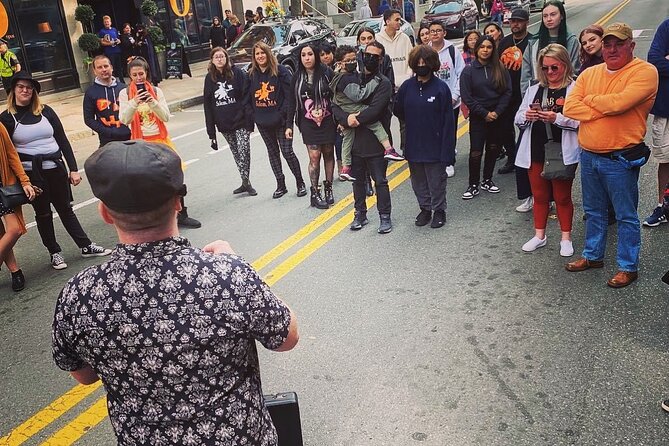
The group can include up to 44 people, which is a sizeable crowd for a walking tour. That matters if you prefer intimate conversations or want to ask many questions. Strong guides have been described as engaging and willing to involve the group, but a full tour may not feel personal in the way a small-group walk would.
Who will get the most from this Salem walk?
This tour suits first-time visitors who want a structured introduction to the Salem Witch Trials and the places tied to them. It also works for families and groups interested in history, provided everyone is comfortable walking between stops and listening outdoors.
You may get less from it if you already know the major events and are looking for access to historic interiors. The tour does not include admissions, and it does not promise an extensive visit at each site. It is also not ideal if you want to spend a long time at the memorial during the guided portion; you can remain there afterward, but the group stop is limited.
Season can affect the feel of a walk through Salem. The route is outdoors, and the tour requires good weather. The busiest periods can also bring crowds and parking difficulty around town, so plan your broader Salem visit with that in mind. The tour itself does not solve those citywide pressures.
Practical details that matter on the day
The meeting point is 1 Houdini Way in Salem, Massachusetts. The tour ends at the Witch Trials Memorial, 24 Liberty Street, next to the Charter Street Burying Point, so the start and finish are not the same address. Keep that in mind if you are arranging a pickup or planning your next stop.
The tour is offered in English and uses a mobile ticket. Service animals are allowed, and the activity is near public transportation. Most people can participate, though you should be comfortable with an outdoor walk and standing at several stops.
The tour is typically booked around 17 days ahead on average. That is a useful planning signal, not a guarantee that every date will sell out. Free cancellation is available up to 24 hours before the start time. If bad weather cancels the tour, you are offered another date or a full refund.
Should you book Salem Uncovered?
Book this walk if you want a guided, outdoor introduction that links the witch-trial story to Salem’s streets and you value a good storyteller more than indoor access. At $26, it is a reasonable way to get context and visit several meaningful locations in one compact route.
Skip it if you expect entry to historic buildings, a private group, or a guaranteed guide style. If you go, arrive ready to listen, keep your expectations clear, and consider staying at the memorial after the tour ends. The sites provide the framework; the guide is what brings them to life.
FAQ
How long is the Salem Witch Trials Tour?
It lasts approximately 90 minutes. The timing is approximate, so allow a little flexibility.
How much does the tour cost?
The listed price is $26 per person.
What language is the tour offered in?
The tour is offered in English.
Where does the tour start?
It starts at 1 Houdini Way, Salem, MA 01970.
Where does the tour end?
It ends at the Salem Witch Trials Memorial, 24 Liberty Street, next to the Charter Street Burying Point.
Does the tour include admission to historic buildings?
No. It is a walking tour, and building admissions are not included. The group stops at the listed locations but does not go inside.
Which places does the tour visit?
Stops include Salem Old Town Hall, the John Ward House, Rockafellas, the former courthouse site near 93 Washington Street, Turners Seafood at Lyceum Hall, the former jail site near 10 Federal Street, and the Witch Trials Memorial.
How many people can join the tour?
The maximum group size is 44 people.
Are service animals allowed?
Yes. Service animals are allowed.
Can I cancel the tour?
You can cancel up to 24 hours before the start time for a full refund. If the tour is canceled because of poor weather, you will be offered another date or a full refund.
Just added around Salem
- [ESP] History of Salem Witch Trials★ 4.0 · 5 reviews
- Vampire Ghost Adventures and Haunted Objects Walking Tour★ 4.5 · 34 reviews
- Wandering Witches★ 4.5 · 33 reviews
- Tales of Salem Candyland Tour★ 4.0 · 8 reviews
- Private Walking Salem Legends Tour Professional Guide★ 5.0 · 3 reviews
- Spooky Ramen Tours★ 5.0 · 5 reviews
- A Ghost Hunting Tour Specters and Apparitions in Salem★ 5.0 · 30 reviews
- Experience Authentic Salem Séance with Entry Pass★ 3.5 · 13 reviews
Salem Witch Tours, compared.
Wicked Awesome Tours: Witch Trial History and Salem Haunts!
Read our review →
Best Salem Witch Trials Historical Walking Tour
Read our review →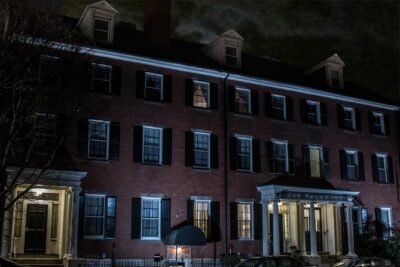


Witch Costume Photo Shoot – Olde Salem Village theatrical set
Read our review →Browse the lists this tour appears in