
Reviewed · SALEM WITCH TOURS
Salem Village Witch Hunt Walking Tour
Salem Village, now Danvers, is where the 1692 witchcraft crisis began, before it spread to Salem Towne and the North Shore. I like that this tour takes you to the parsonage site where Betty Parris and Abigail Williams had their fits, then puts the events in the setting where they unfolded.
I also like the stop at the Ingersoll Ordinary, where hearings were held, and the visit to the memorial for those who died. One consideration: the tour is outdoors, includes a path to an archaeological site, and has no bathroom access.
Key points to know
- The story starts in Danvers: Salem Village was the first setting for the 1692 witchcraft hysteria.
- See the parsonage remains: The site is linked to the fits of Betty Parris, age nine, and Abigail Williams, age eleven.
- Visit the Ingersoll Ordinary: This circa-1670 building is associated with witchcraft hearings.
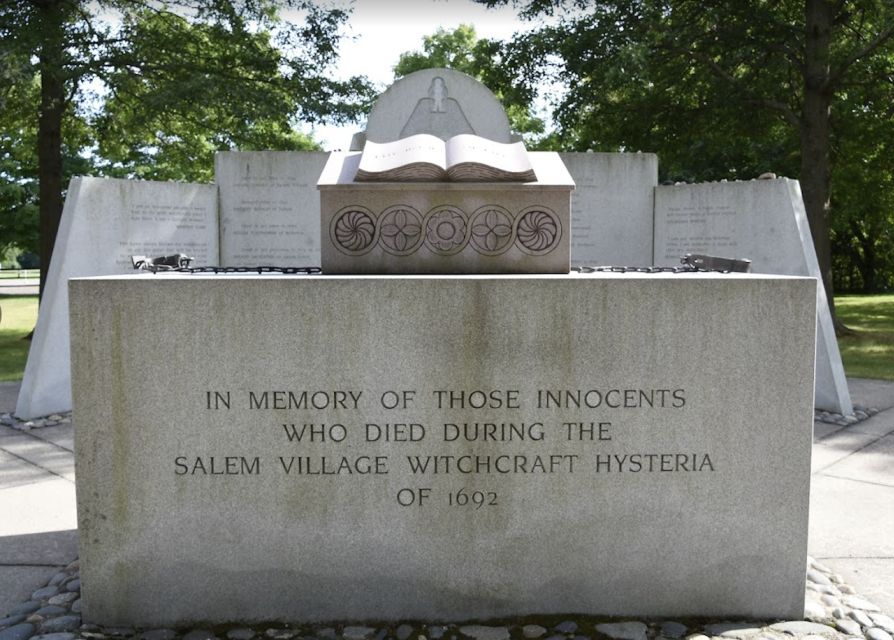
- Pause at the victims’ memorial: The memorial honors the 25 people who died.
- Plan for an outdoor walk: Wear comfortable shoes, and note that the tour runs rain or shine with no bathrooms available.
Why this walk begins in Danvers, not Salem
Salem is the name most people know, but the first events of the 1692 witchcraft hysteria took place in Salem Village, now Danvers. That distinction gives this 90-minute walk a useful angle: rather than beginning with the better-known town, it takes you to the place where the crisis started and asks you to look closely at its early moments.
The tour focuses on a cold February day when two young girls began acting out. A local doctor said the girls must be under the Devil’s hand. That diagnosis helped turn a frightening, confusing situation into an accusation of witchcraft, and suspicion spread from neighbor to neighbor.
The value of walking through Salem Village is not simply that you see old sites. You can connect the early accusations to the actual places tied to them, and consider how quickly fear and suspicion took hold. The tour is led by Daniel A. Gagnon, a lifelong Danvers resident, historian, and author of A Salem Witch. His local connection suits a tour whose central point is that the story began outside the Salem many people picture.
The walk is offered on selected dates in July, August, September, and October. If you are visiting Salem, Danvers is a short drive away, and you can get there by car or Uber. This is a worthwhile addition if you want to look beyond the familiar Salem stops and understand where the first events happened.
More witch-history tours around Salem:
- The Salem Witch Walk
★ 4.5 · 1,301 reviews - Wicked Awesome Tours: Witch Trial History and Salem Haunts!
★ 5.0 · 1,032 reviews - Best Salem Witch Trials Historical Walking Tour
★ 4.0 · 743 reviews
Meet at the Training Field
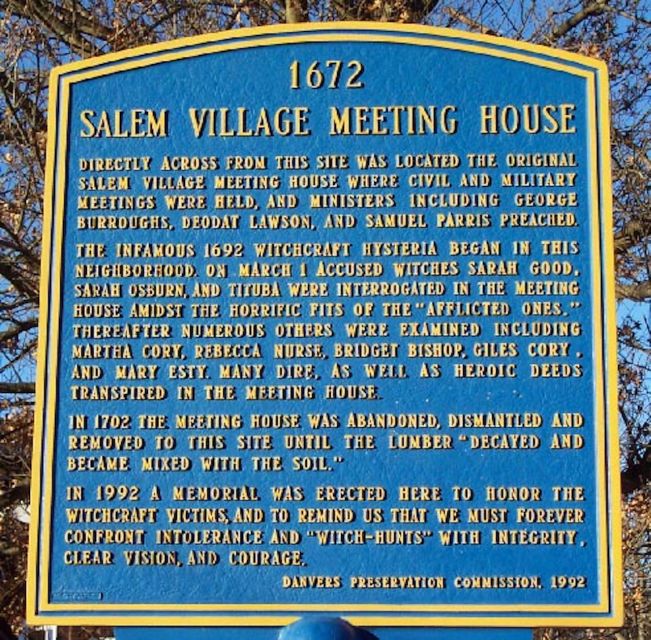
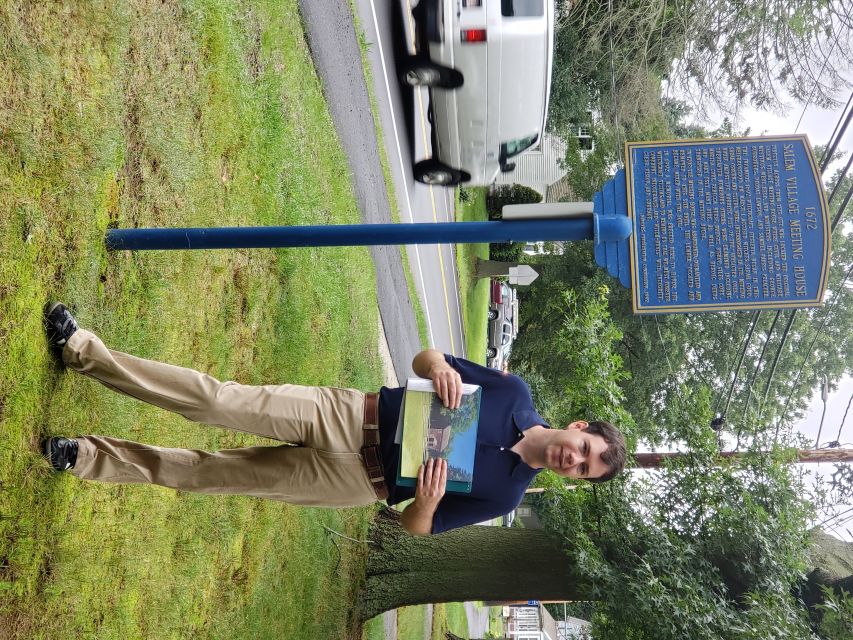
The tour begins at Ingersoll Parkway, beside the Training Field. Look for the rock and blue sign explaining the field’s history, where you will meet the guide. Directions and the precise meeting details are sent in your confirmation email, so check that message before setting out.
The meeting place itself gives the walk a grounding point in Salem Village. It is a practical start, but it also helps place the tour in a specific local setting rather than treating the witch trials as a story detached from its surroundings. The activity ends back at the same meeting point, so you do not need to plan for a separate pickup or a different finish location.
Expect a walking tour, not a ride between sites. The walk lasts about an hour and a half, and comfortable shoes are recommended. The route includes a path down to an archaeological site, so this is not a good choice if you have mobility impairments or would struggle with uneven outdoor access.
There is no bathroom available during the activity. Take care of that before you arrive, and bring water or a snack if you need one, since food and drinks are not included. The tour runs rain or shine, so check the forecast and dress for the weather rather than assuming a clear summer afternoon.
At the parsonage site, the story begins
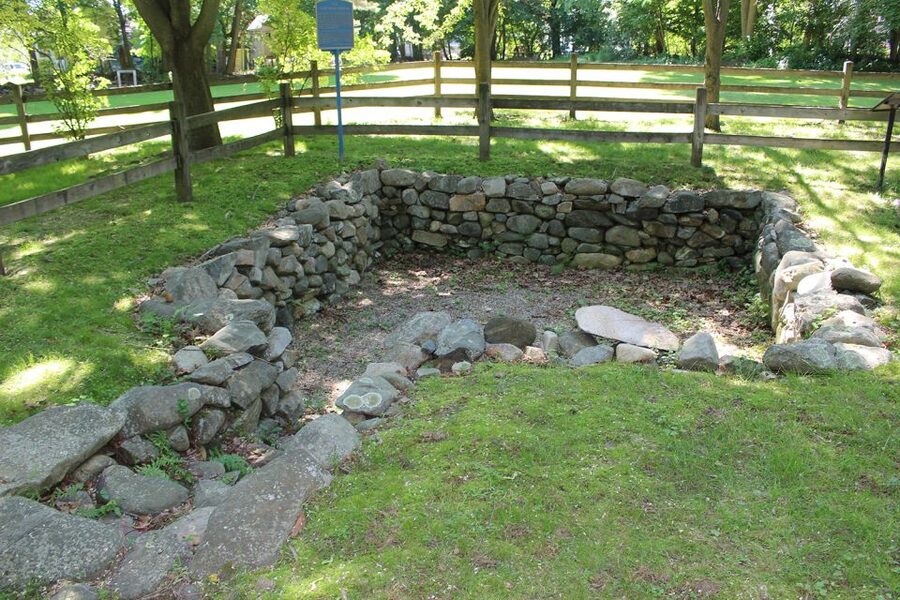
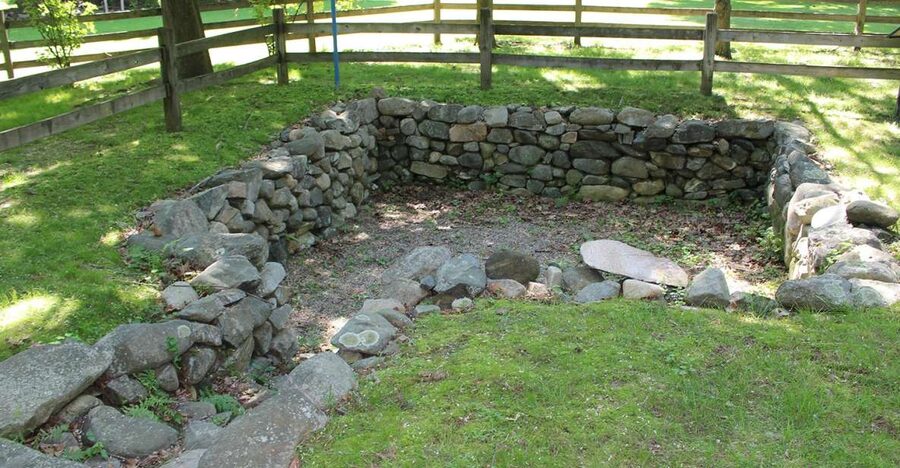
One of the most significant stops is the remains of the parsonage where Reverend Samuel Parris lived. His nine-year-old daughter Betty and eleven-year-old niece Abigail had the fits that helped set the hysteria in motion. Seeing the site gives you a physical reference point for the beginning of a story that can otherwise feel like a sequence of names and accusations.
This is an archaeological site, reached by a path. It is not a furnished house or a preserved interior, so adjust your expectations: the importance lies in the location and the events connected to it, not in a restored room full of period objects. The path is also the reason practical footwear matters. Comfortable shoes are more useful here than dress shoes, especially if the ground is damp.
The stop offers a chance to think about how the first explanation shaped everything that followed. The girls’ behavior was troubling, and the doctor’s diagnosis placed the Devil at the center of the explanation. From there, suspicion could spread through a community. The tour’s value is in connecting that starting point to the larger consequences, not in asking you to accept every claim made in 1692 as fact.
If you are interested in the human and social side of the trials, this location is likely to be the emotional anchor of the walk. It brings the story back to two children and a local household, before the accusations widened into a crisis affecting the broader community.
The Ingersoll Ordinary and the hearings
The Ingersoll Ordinary dates to about 1670 and is associated with witchcraft hearings. It is one of the tour’s clearest links between the story and a surviving historic building. The Ordinary helps shift the focus from the initial fits at the parsonage to the public process that followed, as accusations moved into formal hearings.
The name and age of the building are useful details to keep in mind. This was not a modern courtroom built to explain the trials to visitors. It is a building from the period, and its connection to the hearings gives it a direct role in the story. The guide can help you understand why this place matters without requiring you to piece together the chronology on your own.
The Ordinary is especially meaningful when viewed alongside the parsonage stop. One site is tied to the events that triggered suspicion; the other is connected to the hearings that gave those suspicions a public form. Together, they help show how a local crisis developed rather than presenting the trials as a single dramatic episode.
The tour description does not promise entry into the building, so treat this as a stop to see and discuss rather than assume you will go inside. Its historical importance is still clear from its age and association with the hearings. If you are comparing this walk with a tour based mainly in Salem, this stop is a strong reason to make the short trip to Danvers.
More scavenger hunts around Salem:
- Cape Cod Caper Scavenger Hunt
★ 3.5 · 17 reviews - Krazy Kennebunkport Scavenger Hunt
★ 4.0 · 10 reviews - Nutty Newport Scavenger Hunt
★ 3.5 · 7 reviews - Boston Freedom Trail Scavenger Hunt Adventure
★ 4.0 · 7 reviews
Remembering the 25 people who died
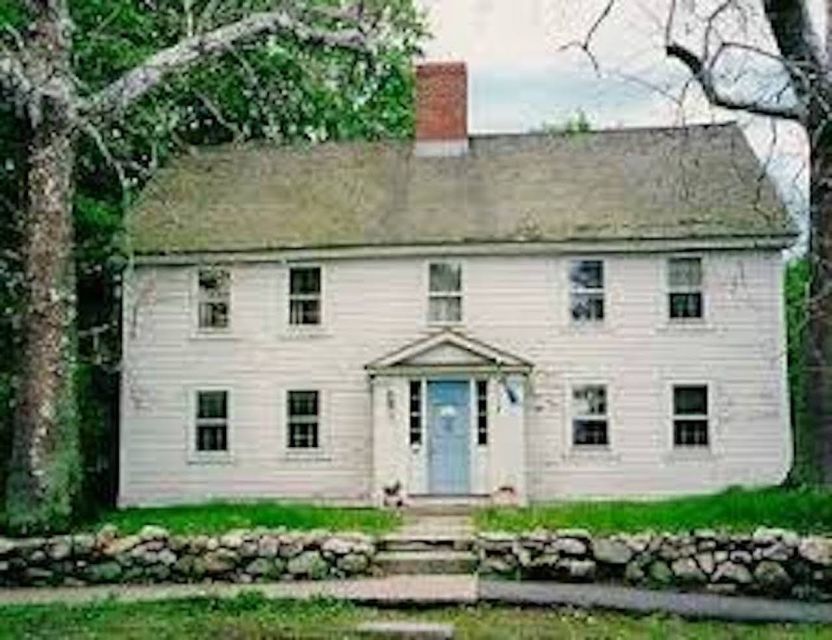
The Witchcraft Victims’ Memorial honors the 25 people who died. After hearing about the events that began the hysteria and visiting sites connected to the process, this stop gives the walk a moment of remembrance. It brings the human cost into focus without making the tour only about buildings and dates.
The number matters because it puts a boundary around the tragedy. The hysteria affected far more people than those who died, but the memorial gives you a place to pause over the lives lost. You can take in the sequence of sites as history, then consider what the consequences meant for the people caught in it.
A memorial cannot explain every cause or settle every question about the trials. What it can do is keep the victims from becoming a footnote in a story often told for its sensational elements. This is one reason the walk can be useful even if you have already read about Salem: it links the familiar subject to a particular place and a clear reminder of the stakes.
What the guide adds to the walk
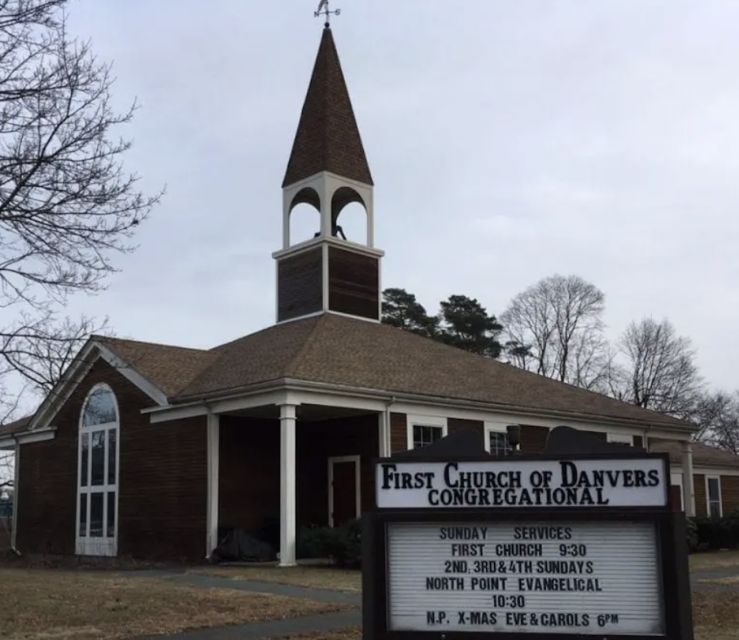
Daniel A. Gagnon is a lifelong Danvers resident, historian, and author of A Salem Witch. The tour’s subject benefits from a guide who can connect local sites with the wider story, and his background gives the walk a strong local focus. You are not simply being directed from one stop to the next; the aim is to build a clearer picture of how the crisis began and spread.
The guide is also the part of the experience most likely to shape how much you get from the walk. The central sites are important, but their meaning depends on the context around them: why the parsonage matters, what happened at the Ordinary, and how the early accusations grew into a wider hunt. The small amount of feedback available about the tour is especially positive about Dan’s command of the subject and friendly manner. That matches what you should look for in a history walk: clear explanation, room to think, and a tone that treats the subject seriously without turning it into a lecture.
The guiding language is English. If you enjoy asking questions as you go, a live guide is useful because the experience can respond to the group’s interest in a way a sign or audio track cannot. No group size is specified, so do not assume it will be private or intimate.
Is $25 a fair price?
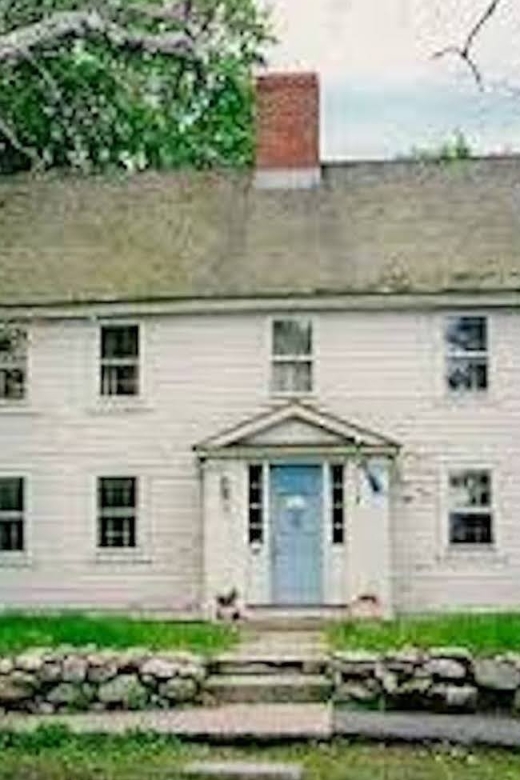
At $25 per person, this is a focused 90-minute tour rather than a full-day outing. The price covers an English-speaking guide and access to a guided walk linking several sites tied to the beginning and consequences of the 1692 hysteria. It does not include transportation to Danvers, food, drinks, or hotel pickup and drop-off.
There is an added local benefit: $5 from each ticket goes to the Danvers Historical Society. That makes the fare more appealing if you value support for local historical preservation. The tour’s value will depend on what you want from a Salem-area visit. If you only want a quick look at famous sights in Salem itself, the drive to Danvers may not fit your plans. If you want to understand where the story began, the extra trip and guided context make the price reasonable.
You can reserve without paying immediately, and cancellation is free up to 24 hours in advance for a full refund. Starting times vary, so check availability for your date. These flexible terms are helpful when your plans are still shifting, but the limited season matters: this tour runs on selected dates from July through October, not every day of the year.
Who should book this tour?
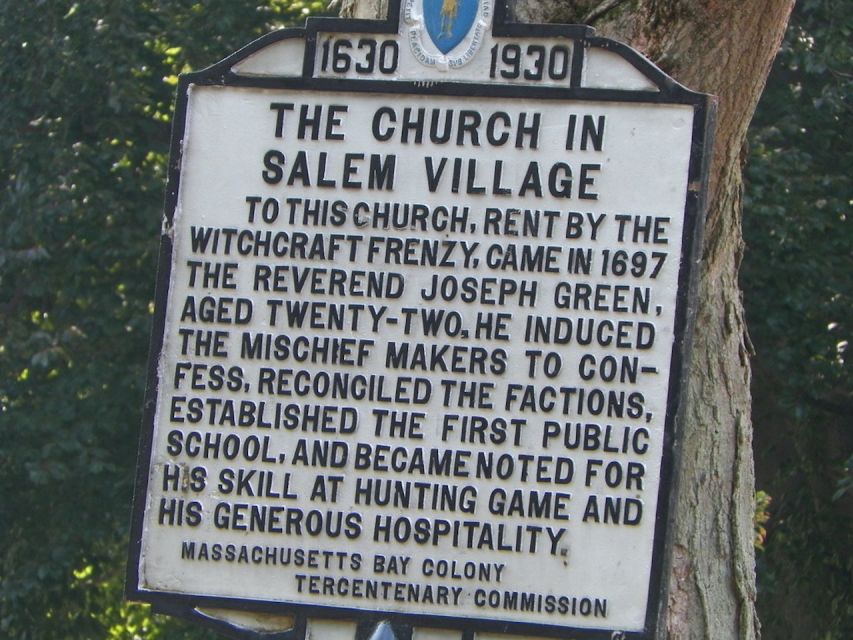
I would choose this walk if you are curious about the origins of the witchcraft hysteria and want to see the places linked to its first events. It is a particularly good fit if you are already visiting Salem and can spare the short drive to Danvers. The mix of the parsonage remains, the Ordinary, and the memorial gives you more than one perspective on the story.
History-minded visitors will get the most from the tour, especially if they like connecting specific places with the people and events tied to them. The memorial also makes the walk relevant for anyone who wants the human cost kept in view, not just the more dramatic details of the witch hunt.
I would think twice if you need step-free access, want an indoor activity, or require bathroom facilities during a 90-minute outing. The route includes a path to an archaeological site, the tour proceeds in all weather, and there are no bathrooms. If those details work for you, bring comfortable shoes and suitable clothing, then give the walk enough attention to follow the story from its first local sparks to its lasting cost.
FAQ
Where does the tour take place?
The tour takes place in Danvers, Massachusetts, formerly Salem Village. Danvers is a short drive from Salem.
How long is the tour?
The walking tour lasts about 1.5 hours. Starting times vary, so check availability for your chosen date.
Who leads the tour?
Daniel A. Gagnon, a lifelong Danvers resident, historian, and author of A Salem Witch, leads the tour.
What sites are included?
The tour includes the remains of the parsonage associated with Betty Parris and Abigail Williams, the circa-1670 Ingersoll Ordinary, and the Witchcraft Victims’ Memorial.
Where do I meet the guide?
Meet at Ingersoll Parkway beside the Training Field, by the rock and blue sign explaining the field’s history. Your confirmation email includes meeting details and directions.
Does the tour end at the meeting point?
Yes. The activity ends back at the place where it begins.
What should I bring?
Wear comfortable shoes. The walk includes a path to an archaeological site and takes place rain or shine.
Are bathrooms available, and is the tour suitable for people with mobility impairments?
No bathrooms are available during the tour. It is not suitable for people with mobility impairments because the walk includes a path to an archaeological site.
More walking tours around Salem
- History and Hauntings of Salem Guided Walking Tour
★ 5.0 · 14,564 reviews - Salem Voodoo, Vampires, and Ghosts Guided Walking Tour
★ 5.0 · 1,931 reviews - Bewitched Walking Tour of Salem
★ 5.0 · 1,895 reviews - Satanic Salem Walking Tour
★ 5.0 · 1,635 reviews
Just added around Salem
- [ESP] History of Salem Witch Trials★ 4.0 · 5 reviews
- Vampire Ghost Adventures and Haunted Objects Walking Tour★ 4.5 · 34 reviews
- Wandering Witches★ 4.5 · 33 reviews
- Tales of Salem Candyland Tour★ 4.0 · 8 reviews
- Private Walking Salem Legends Tour Professional Guide★ 5.0 · 3 reviews
- Spooky Ramen Tours★ 5.0 · 5 reviews
- A Ghost Hunting Tour Specters and Apparitions in Salem★ 5.0 · 30 reviews
- Experience Authentic Salem Séance with Entry Pass★ 3.5 · 13 reviews
Salem Witch Tours, compared.
Wicked Awesome Tours: Witch Trial History and Salem Haunts!
Read our review →
Best Salem Witch Trials Historical Walking Tour
Read our review →

Browse the lists this tour appears in